Construction
Construction data is trapped in drawings, tables, and large PDFs. Your team shouldn't be manually scrubbing through any of it.
how it works
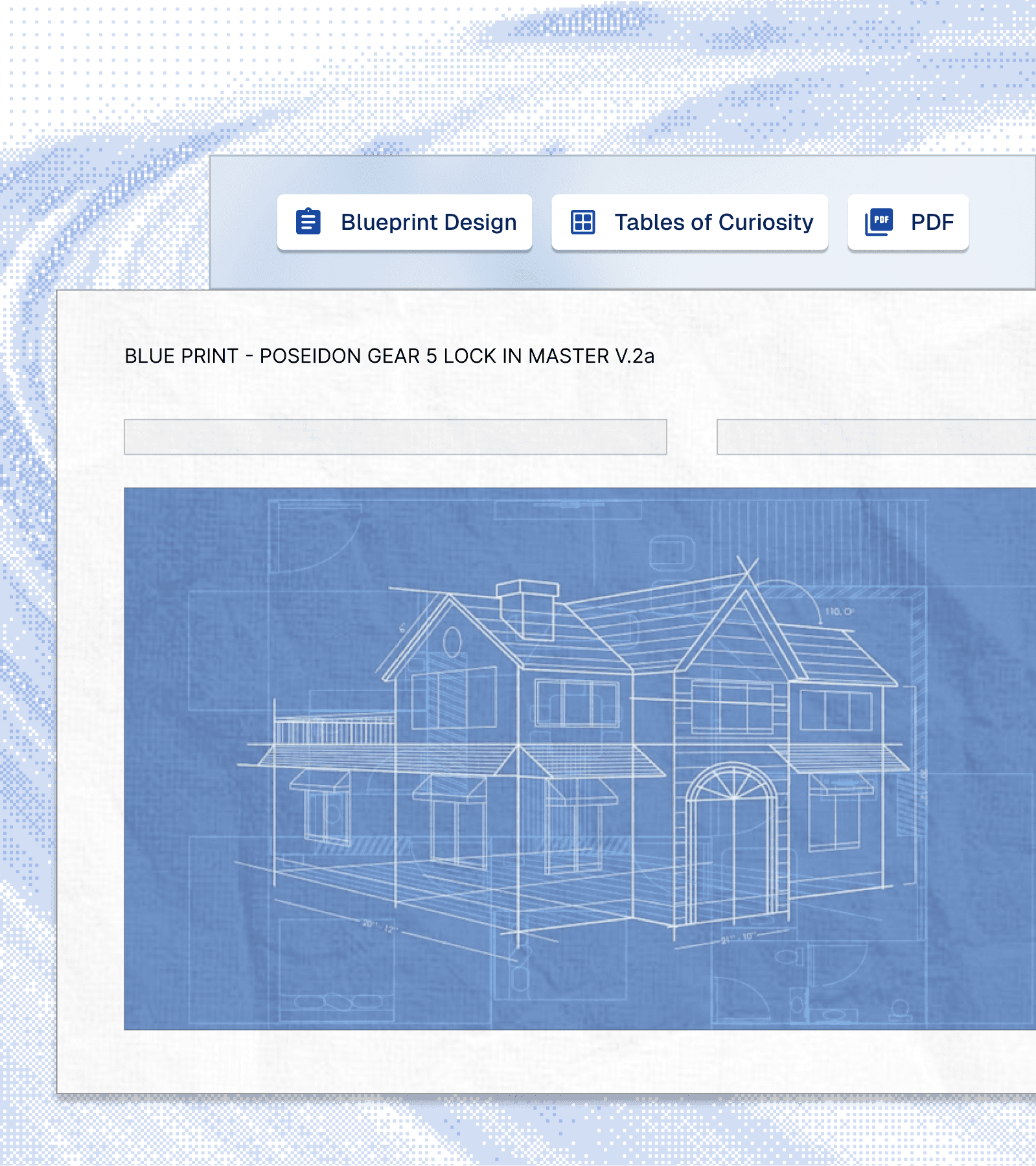
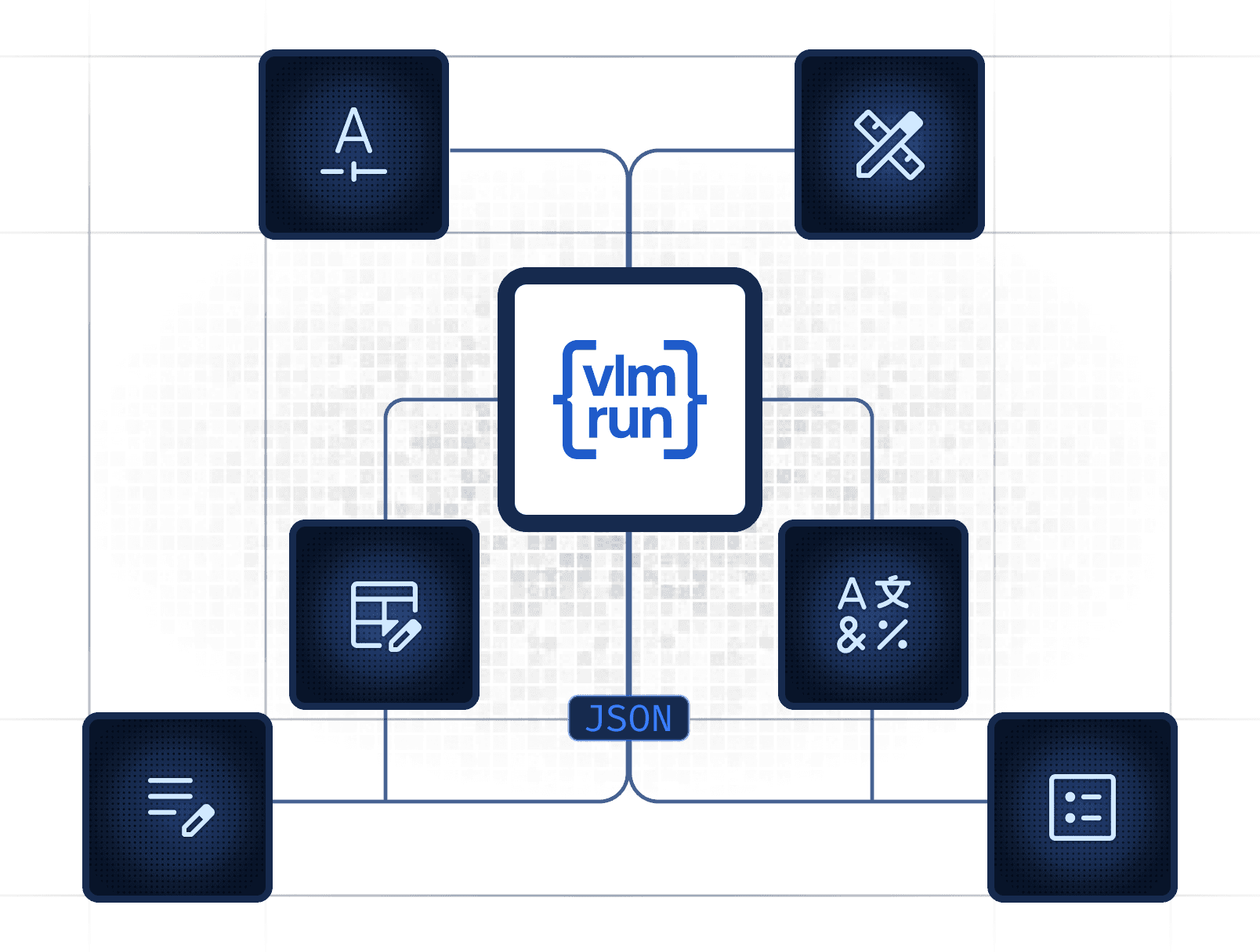
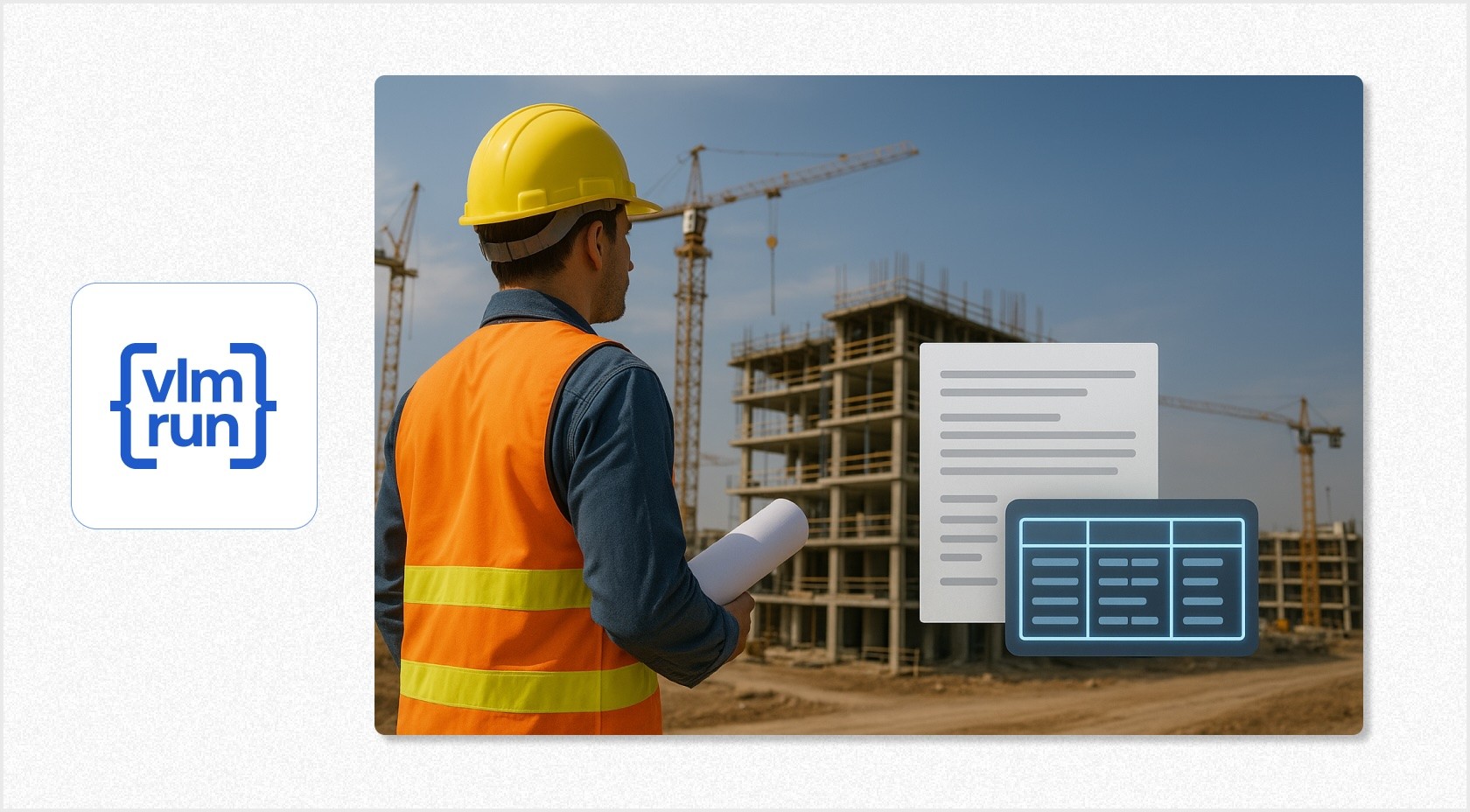
We turn complex construction documents such as drawings, floorplans, and multi-page tables – into clean, validated JSON
Parse blueprints, floorplans, and engineering drawings into structured data
Extract complex tables (BOQs, schedules, material lists)
Interpret symbols, annotations, revision marks, and drawing legends
Why it matters
Manual takeoffs and document reviews burn engineering hours, delay bids, and compound into costly errors downstream.

Reviews and takeoffs in minutes, not days

Zero scrubbing. Fewer errors in bids and schedules

Scale document volume without scaling back-office headcount
Why VLM Run


security
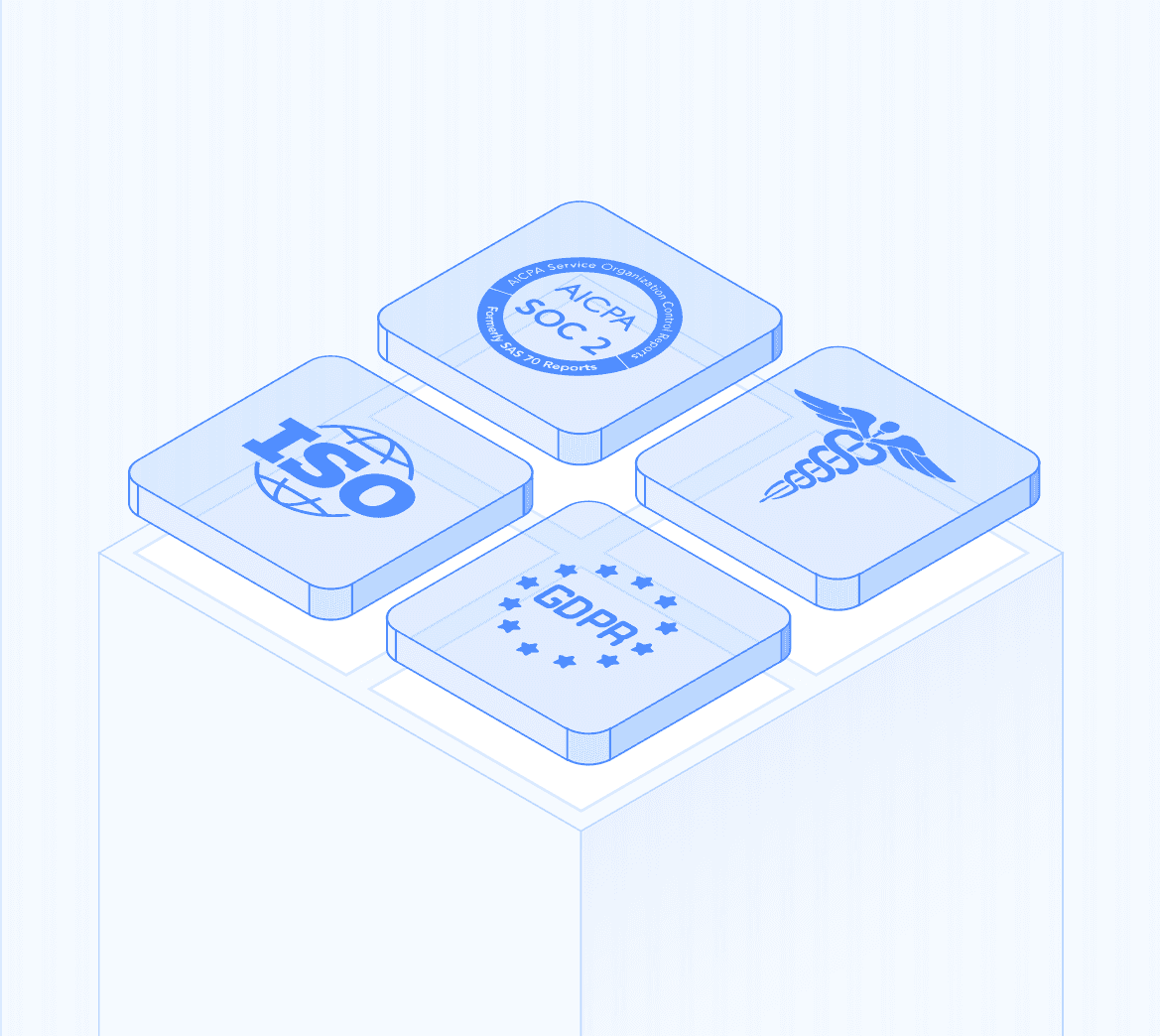
SOC 2 Type II
Certified for security controls.
GDPR
Complies with EU data laws.
Configurable Retention
Fully-customizable data retention policies, including ZDR.
HIPAA
BAA available for Pro & Enterprises.

Can VLM Run handle low-quality scans and blueprints?
Yes. Our models are trained on the kinds of documents construction teams actually deal with – faded scans, hand-marked drawings, low-res PDFs, and even photos taken on-site. Unlike traditional OCR, Orion uses vision-first reasoning to interpret layout, symbols, and context, not just pixel-level text recognition.
What document types does VLM Run support?
Blueprints, floorplans, schedule tables, BOQs, material lists, submittals, RFIs, and spec sheets. We handle complex table structures including merged cells, nested headers, and multi-page tables that break traditional extraction tools. If your document is visual, we can extract structured data from it.
How does VLM Run compare to traditional OCR for construction documents?
Traditional OCR treats documents as flat text – it fails on complex table layouts, merged cells, drawing symbols, and engineering annotations. VLM Run uses vision-native models trained specifically on technical and engineering documents, not receipts and invoices. In benchmarks against standard OCR pipelines, we consistently deliver higher accuracy on the edge cases that matter most in construction.
Is my project data secure?
VLM Run is SOC 2 Type II certified and ISO 27001 compliant. For enterprise customers, we offer VPC deployment so your data never leaves your cloud. All data is encrypted in transit and at rest.